This blog is written by our Zephyr Project community members Hiroshi TOKITA (@soburi), Engineer at Fujitsu and Yasushi SHOJI (@yashi) Co-Founder & CEO at Space Cubics. (Discord usernames in brackets).
In this report, we would like to share what happened at the Zephyr Project Meetup: Osaka, Japan, held in October 2025.
Venue
The second Zephyr Project Meetup in Japan this year took place on October 20, 2025, at Honda’s new Osaka hub, Honda Software Studio Osaka, a software development center in the Grand Green Osaka complex near Osaka Station.
Osaka is Japan’s second-largest city, and the area around Osaka Station has been transformed in recent years with large-scale redevelopment and new public spaces. That change was especially visible in 2025, the year Osaka hosted Expo 2025, which ran until mid-October just a week before this meetup.
Honda Software Studio Osaka sits right in the middle of this new district, with the meetup space offering wide views over the city. From the venue you can see the distinctive Umeda Sky Building, which became a natural landmark and talking point during breaks and networking.
Photo highlights from the venue included:
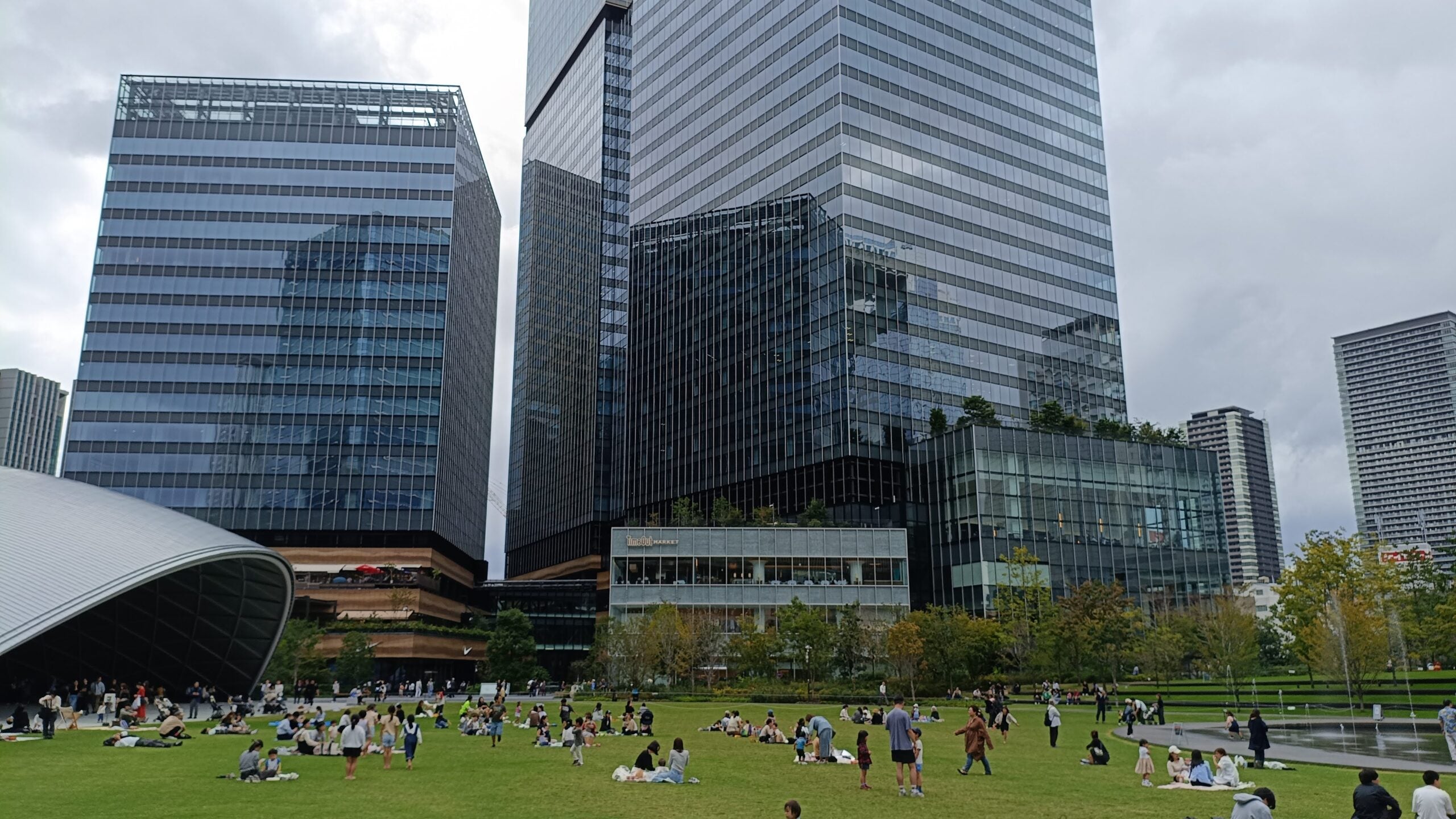
The area in front of Osaka Station, recently redeveloped as part of the Grand Green Osaka (Umekita) project, with wide open public spaces.
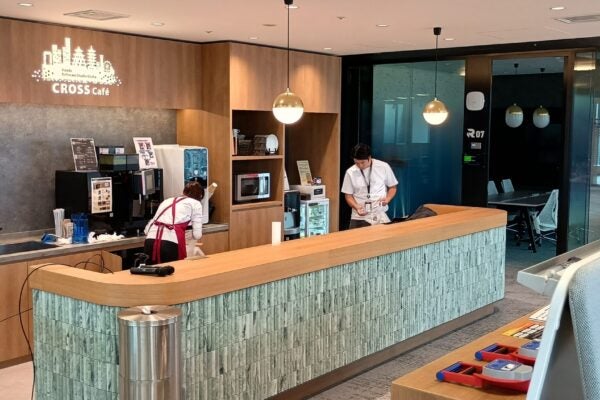


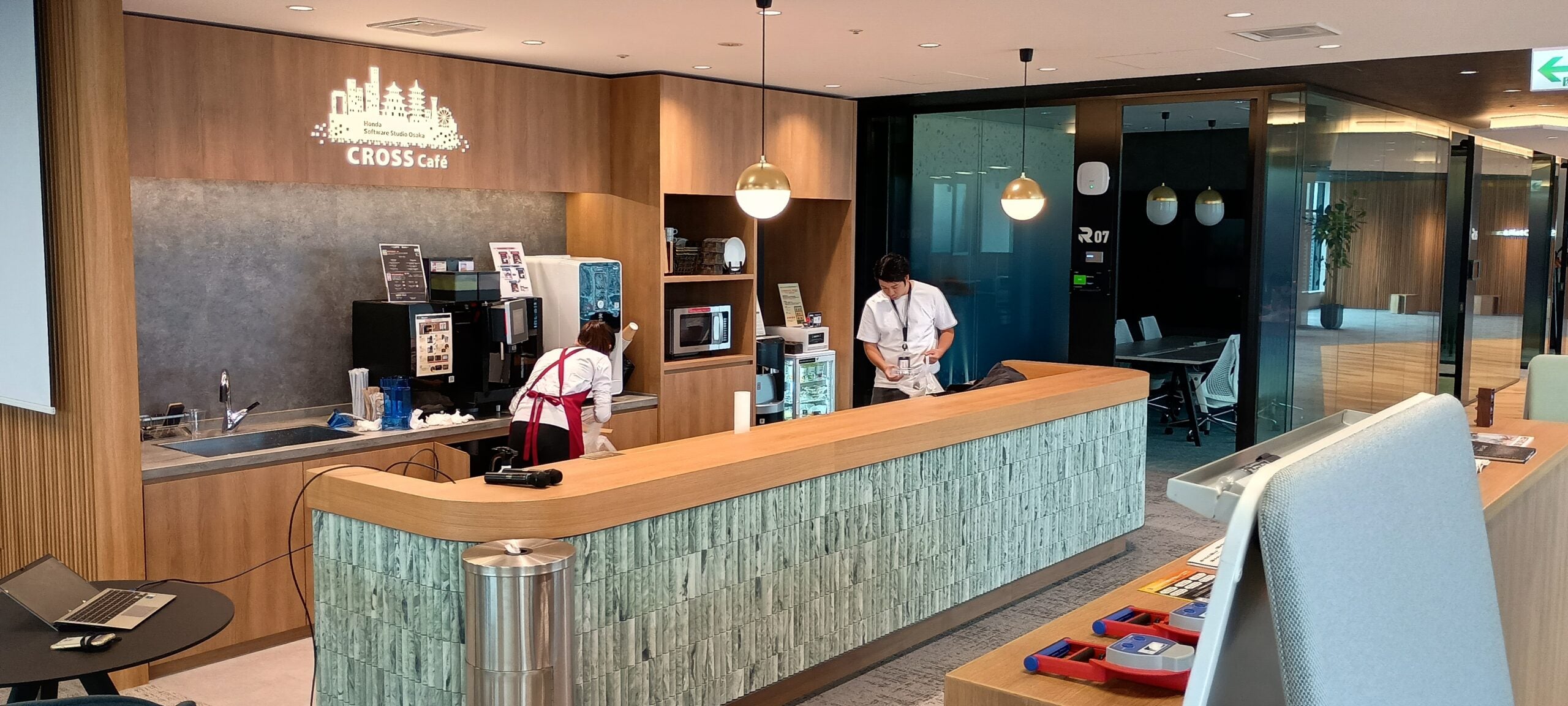

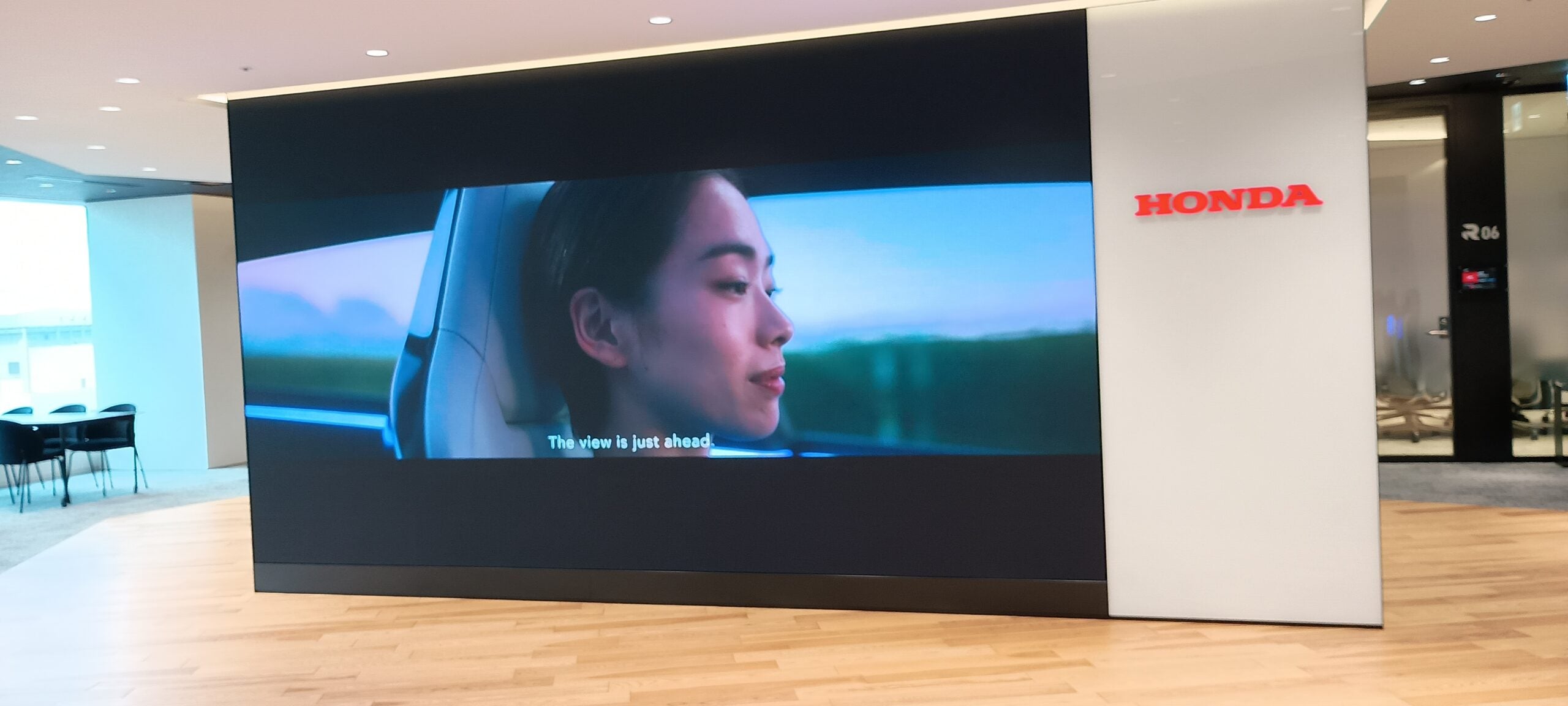
The meetup took place in a stylish open collaboration space, complete with a bar counter.

The distinctive façade of the landmark Umeda Sky Building.
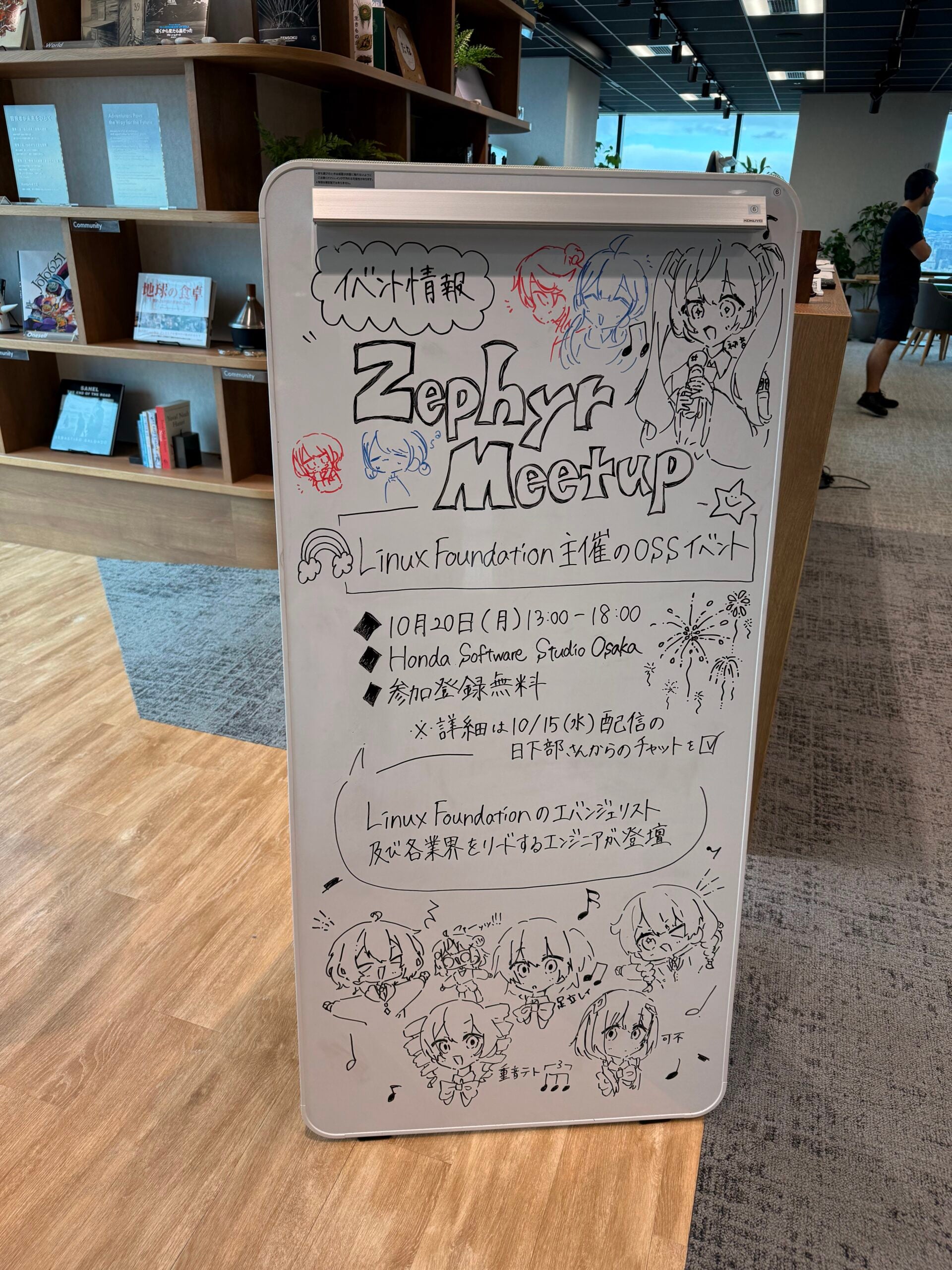
A cute illustration welcoming Zephyr Meetup Osaka participants at the entrance.
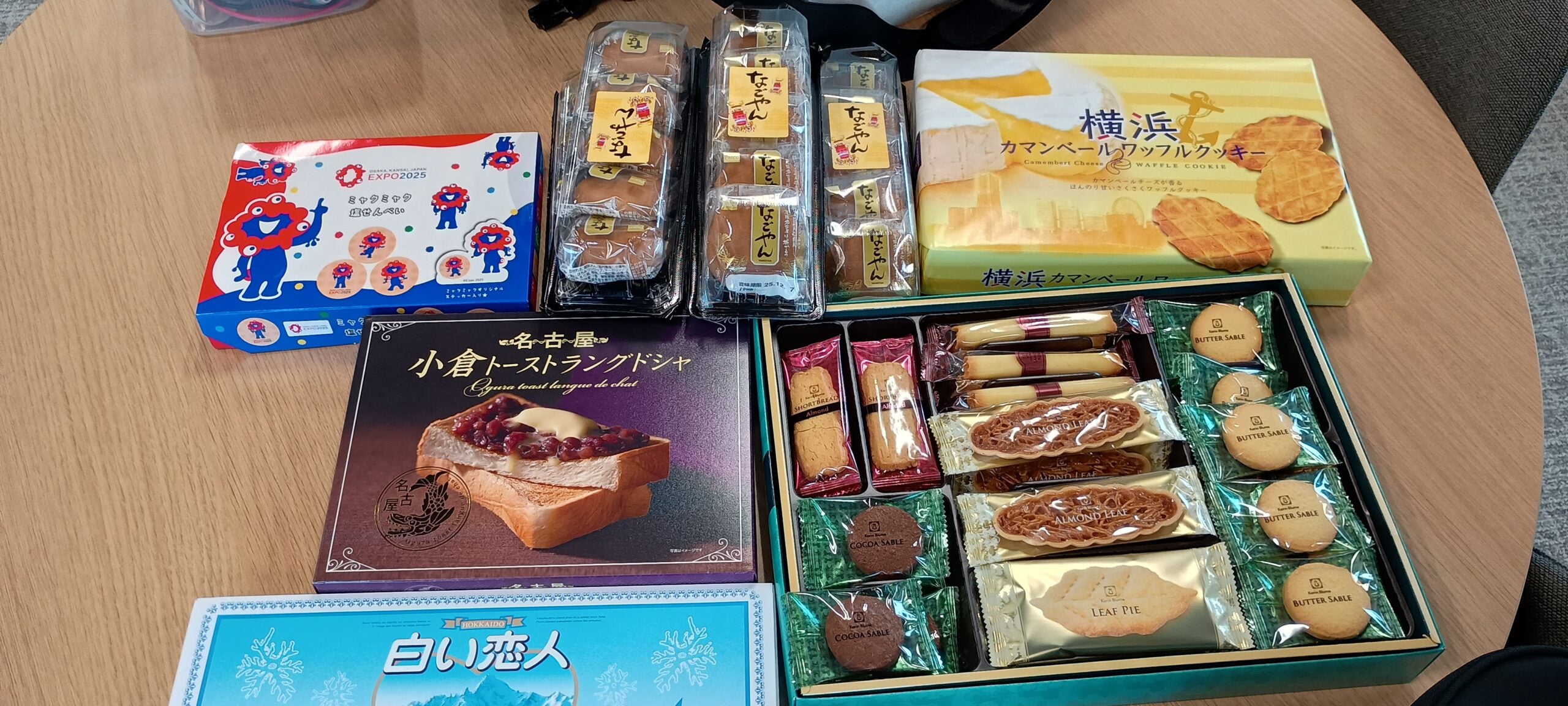
A variety of regional sweets from all over Japan, brought by participants as souvenirs from their hometowns.
Session Highlights
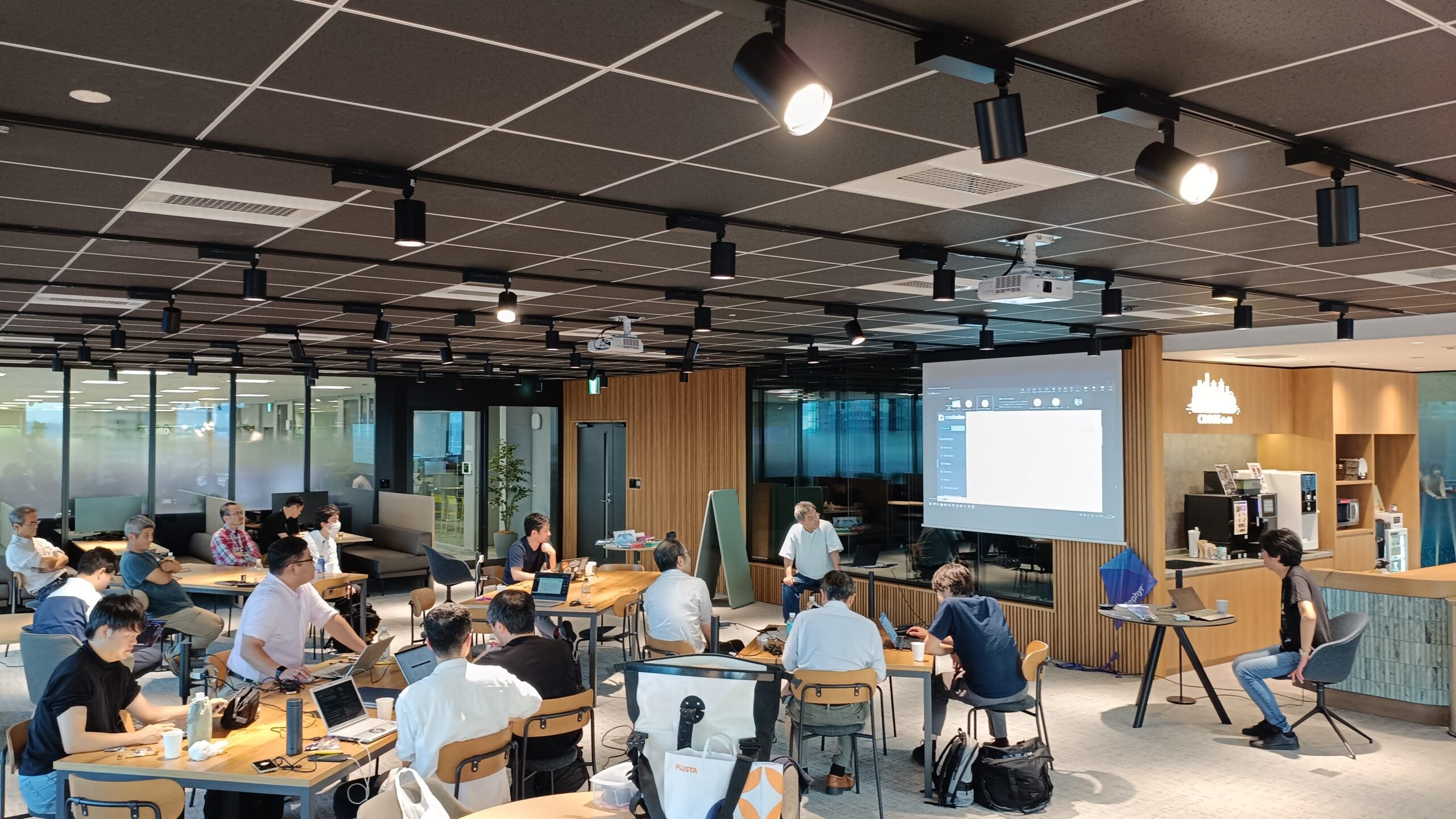
A scene from one of the presentation sessions during the meetup.
Multi-launching domU Zephyr with QEMU/arm64+Xen – Kunihiko Hayashi
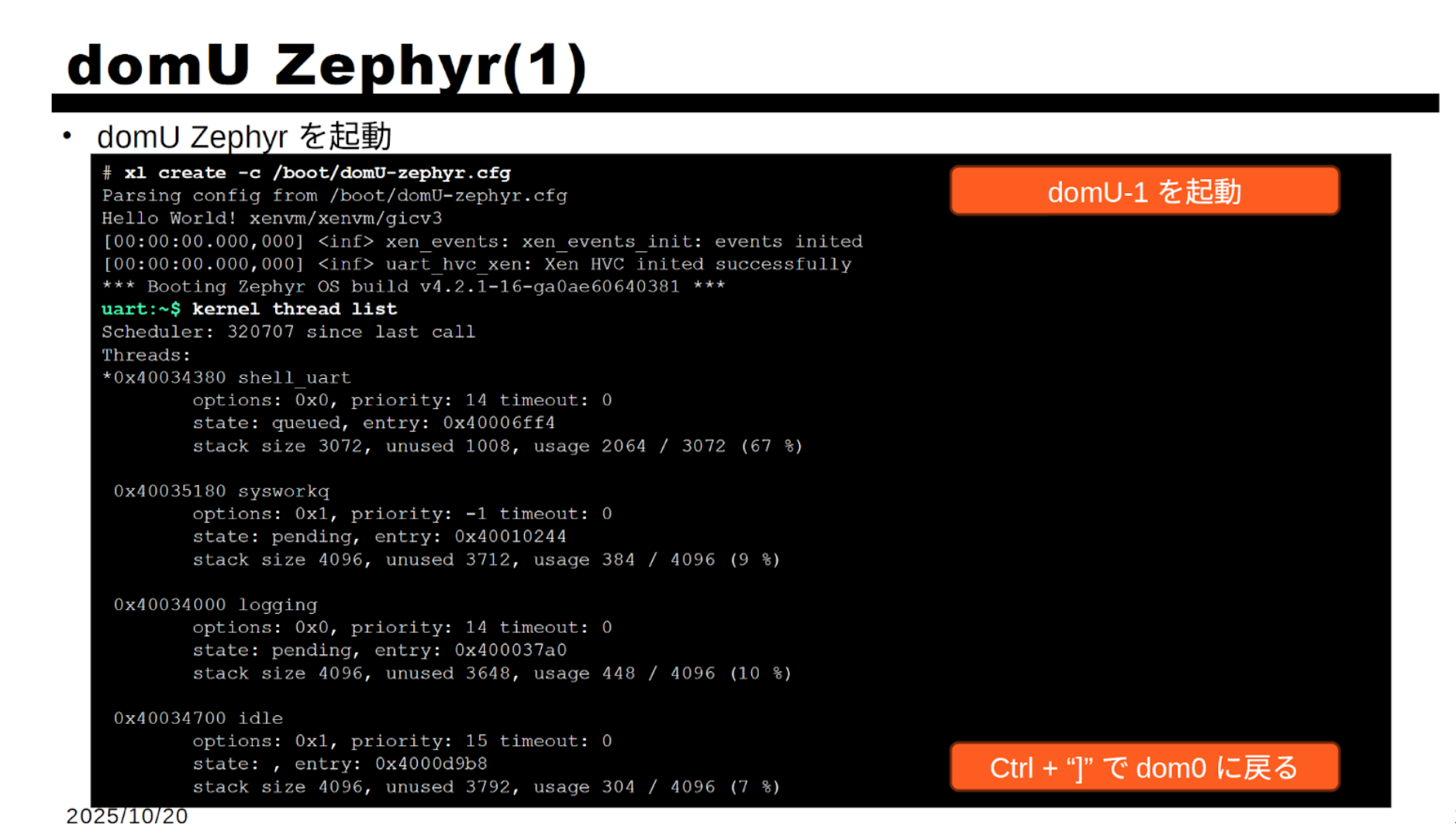
This session was a hands-on report on setting up a QEMU arm64 + Xen environment and running Zephyr as a domU guest. Hayashi walked through the concrete steps he took to get multiple Zephyr domU instances running on Xen, using QEMU on an arm64 host.
Along the way, he covered practical issues such as configuring the interrupt controller (GIC) correctly and dealing with the kinds of small pitfalls that only appear when you actually try to boot several guests. The talk finished with a live demo, including running kernel thread list inside Zephyr on top of Xen, proving that the whole stack was really working.
From IoT devices to AWS IoT: Over the Air with Zephyr RTOS – Junichi Hirata
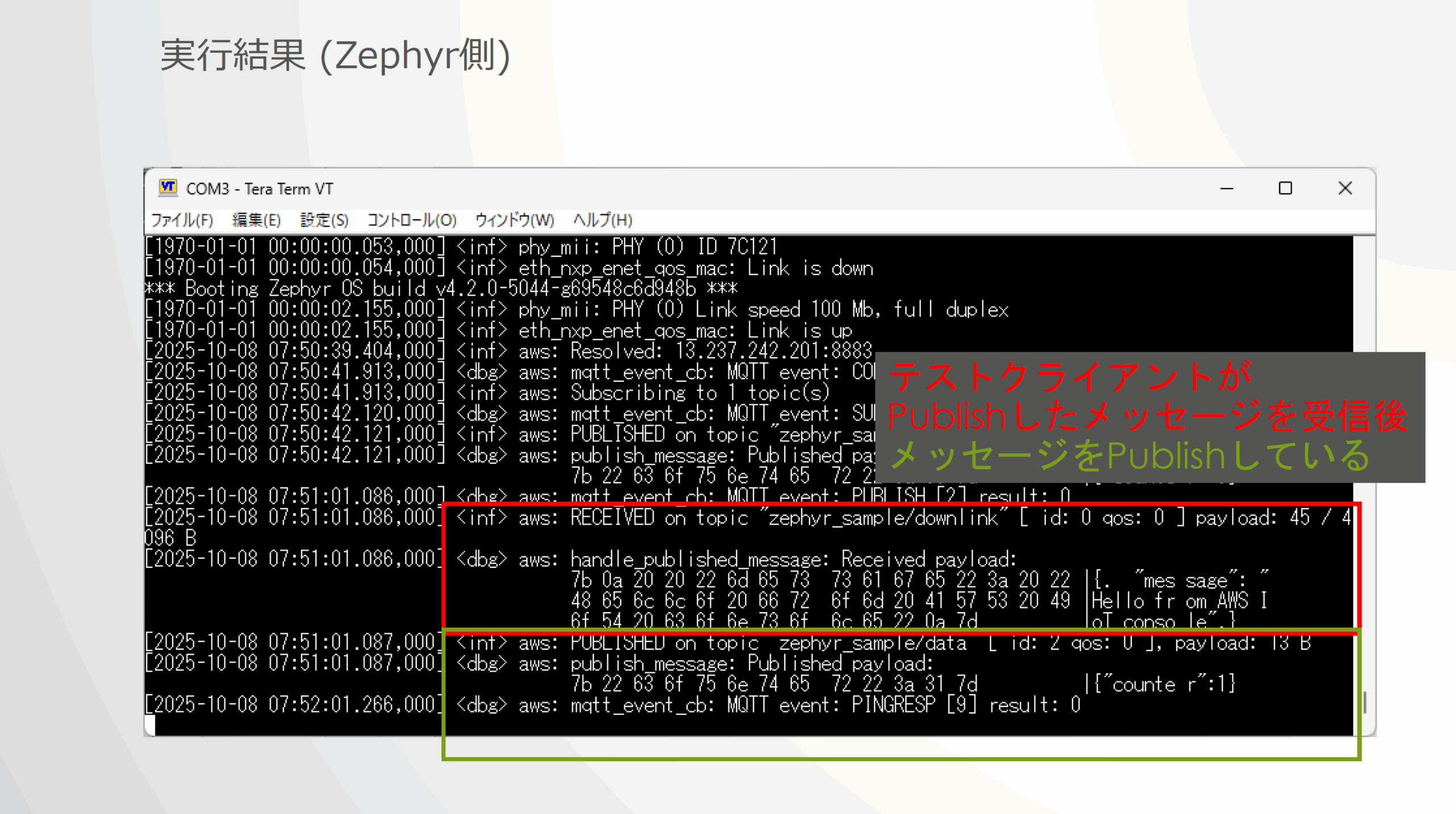
Junichi Hirata walked through how to build an end-to-end firmware-over-the-air (OTA) flow for Zephyr-based IoT devices using AWS IoT Core. Starting from Zephyr’s aws_iot_mqtt sample, which demonstrates MQTT communication with AWS IoT Core, he showed how to connect a Zephyr application running on an STM32 Nucleo-H563ZI board, receive job notifications in JSON, and then download new firmware images from Amazon S3 over HTTPS.
Because most official AWS examples target FreeRTOS, he had to translate that flow to Zephyr primitives: MQTT and JSON handling in the application, the Zephyr flash API to write the image into the Slot 1 region reserved for updates, and MCUBoot as the boot loader that is supposed to pick up that new image. turn13search11 A nice anecdote was that he even asked ChatGPT to generate the JSON parsing code and then tweaked it himself. In the end he candidly reported that, while MQTT messaging, JSON parsing, S3 download, and flash writes were all working, he ran out of time to make MCUBoot actually recognize and swap in the new firmware image, sharing what he suspects went wrong and what he plans to fix next.
Various things that happen when running WASM on Zephyr – Hiroshi Tokita
Hiroshi Tokita gave an exploratory talk about what really happens when you try to run WebAssembly on Zephyr. Starting from WebAssembly Micro Runtime (WAMR) on Zephyr, he walked through how WASM and WASI work in this context, what the existing Zephyr integration in WAMR looks like, and what is missing when you do not have a normal /dev/* world and POSIX style APIs available.
He then looked at higher level frameworks such as Stack-chan and Moddable, and experimented with adapting Moddable’s WASM settings to WAMR and then to Zephyr, sharing related pull requests and code. In the end his conclusion was quite honest: in their current form these experiments did not yet create a clear win for his use cases, but they raised good questions about how far we should push this approach on tiny devices.
Note: Shortly after the meetup, Moddable officially announced that they were working on a Zephyr port: https://moddable.com/blog/zephyr/
Build and implementation demo of incorporating a lightweight AI model into Zephyr – @misoji_engineer
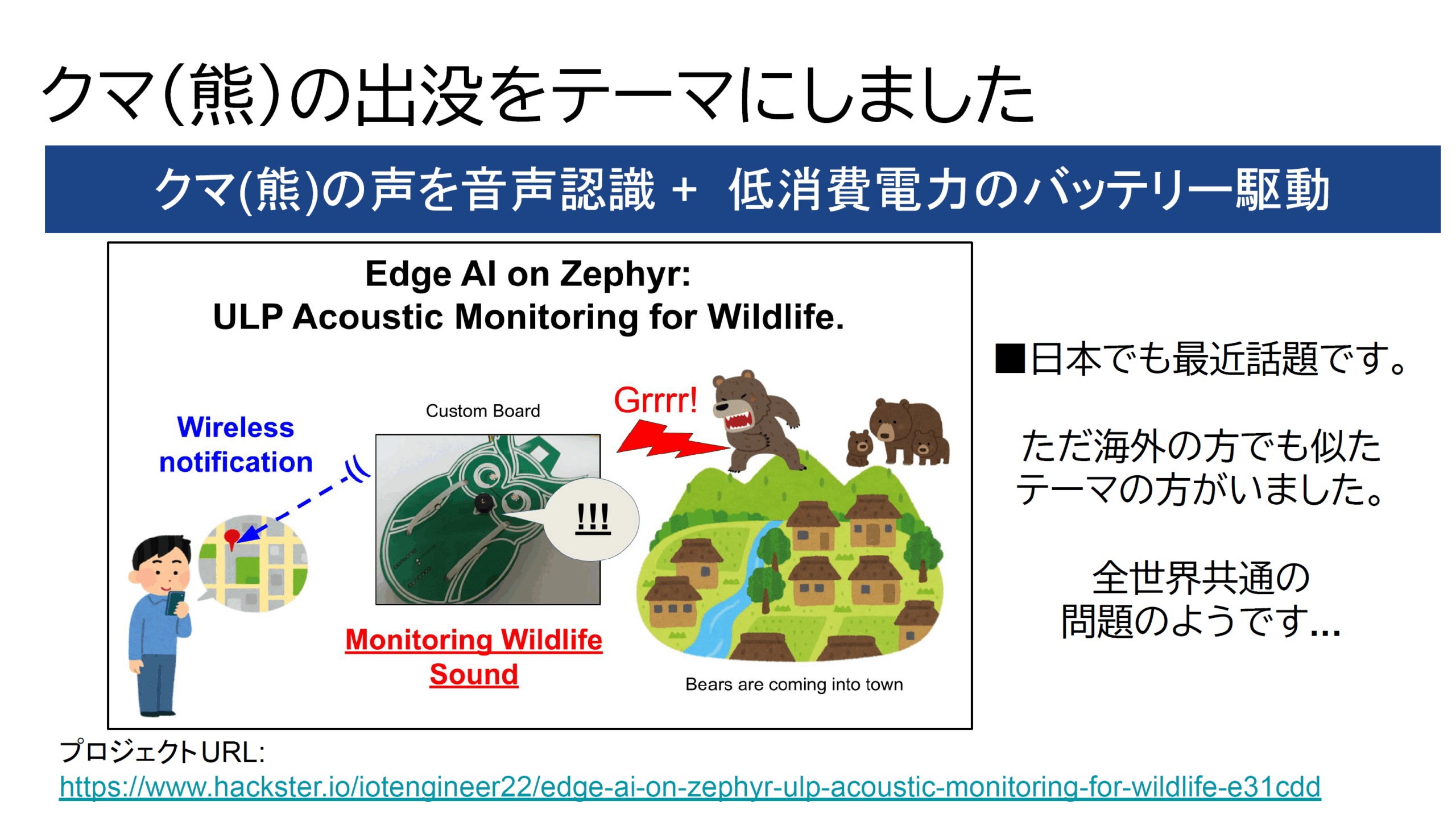
@misoji_engineer showed how to integrate lightweight Edge AI models into Zephyr on very small Nordic based boards. Using Seeed Studio XIAO nRF54L15 Sense and XIAO nRF52840 Sense, he walked through an end to end flow: collecting accelerometer and microphone data in Zephyr, sending it to Edge Impulse for training, exporting the generated C++ SDK, and bringing it back into a Zephyr application.
The demo covered gesture recognition using IMU data and simple keyword or sound recognition using the on board microphone, with concrete RAM and flash usage numbers to show that these models still fit comfortably on constrained MCUs. All of the sample projects are published so attendees can reproduce the experiments on their own hardware.
OSSJ CFP submission review – Hiroshi Tokita, others
After a CFP push at the Zephyr Meetup in Sapporo, the number of submissions to Open Source Summit Japan increased significantly.
This session looked back on that effort and shared practical tips on how to “win” CFPs for LF events.
Because both submitters and reviewers were in the room, speakers shared their actual CFP submissions on screen, and reviewers gave live feedback on what to improve for the next submission. The whole group discussed what makes a proposal clearer and more compelling.
Lightning Talks
Trying out ESP32 de CAN on Zephyr – Masanori Itoh
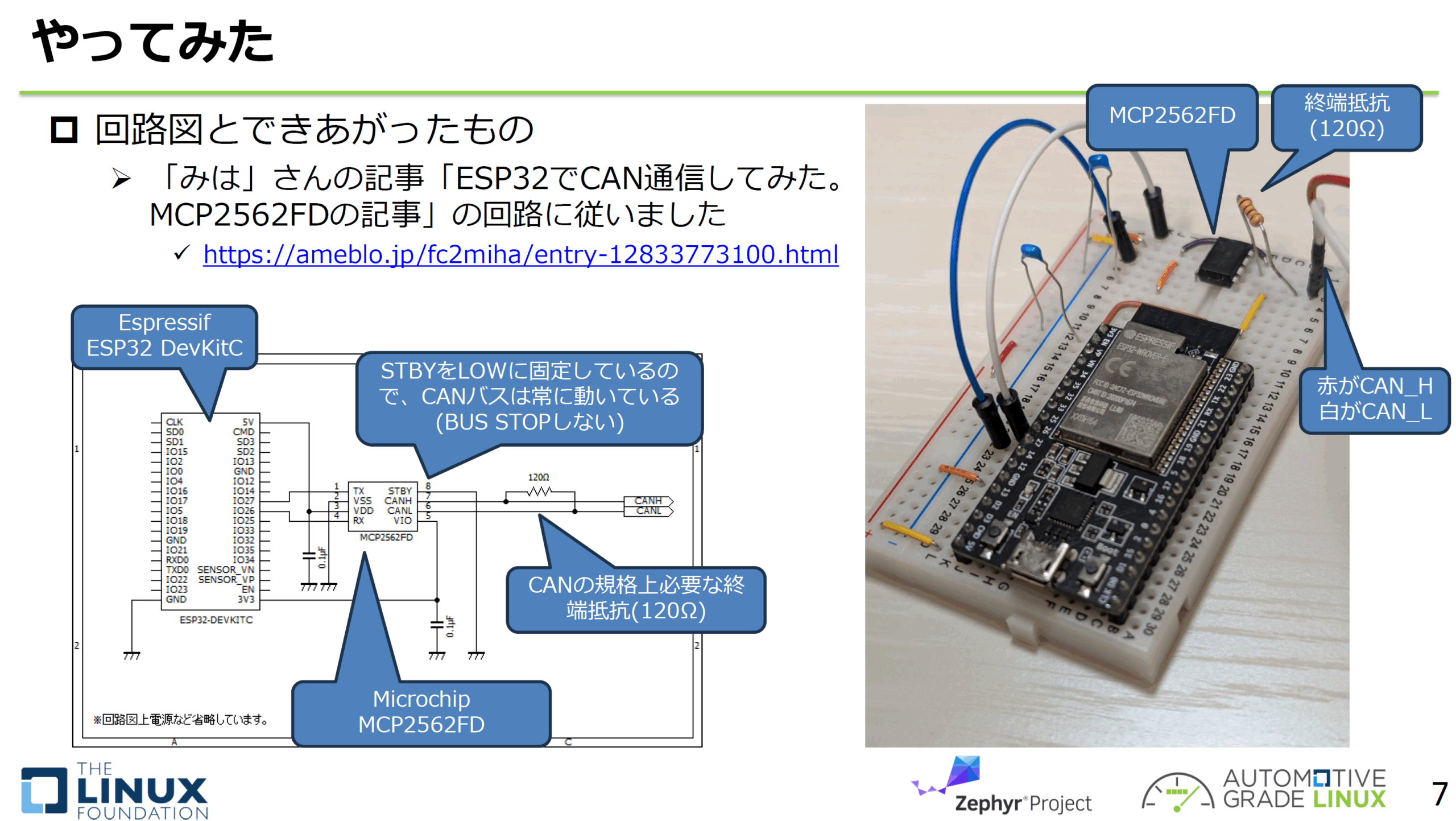
This lightning talk reported on getting CAN communication running on Zephyr using an ESP32-WROVER-E together with an MCP2562FD CAN transceiver, as a small spin-off of AGL’s “Full OSS SDV Reference PF = SoDeV” initiative. The speaker walked through how they set up Zephyr on the ESP32, wired up CAN, and experimented with configuration and DeviceTree, with the goal of using this work as a stepping stone toward a Zephyr virtio-can driver and future Xen based SDV environments.
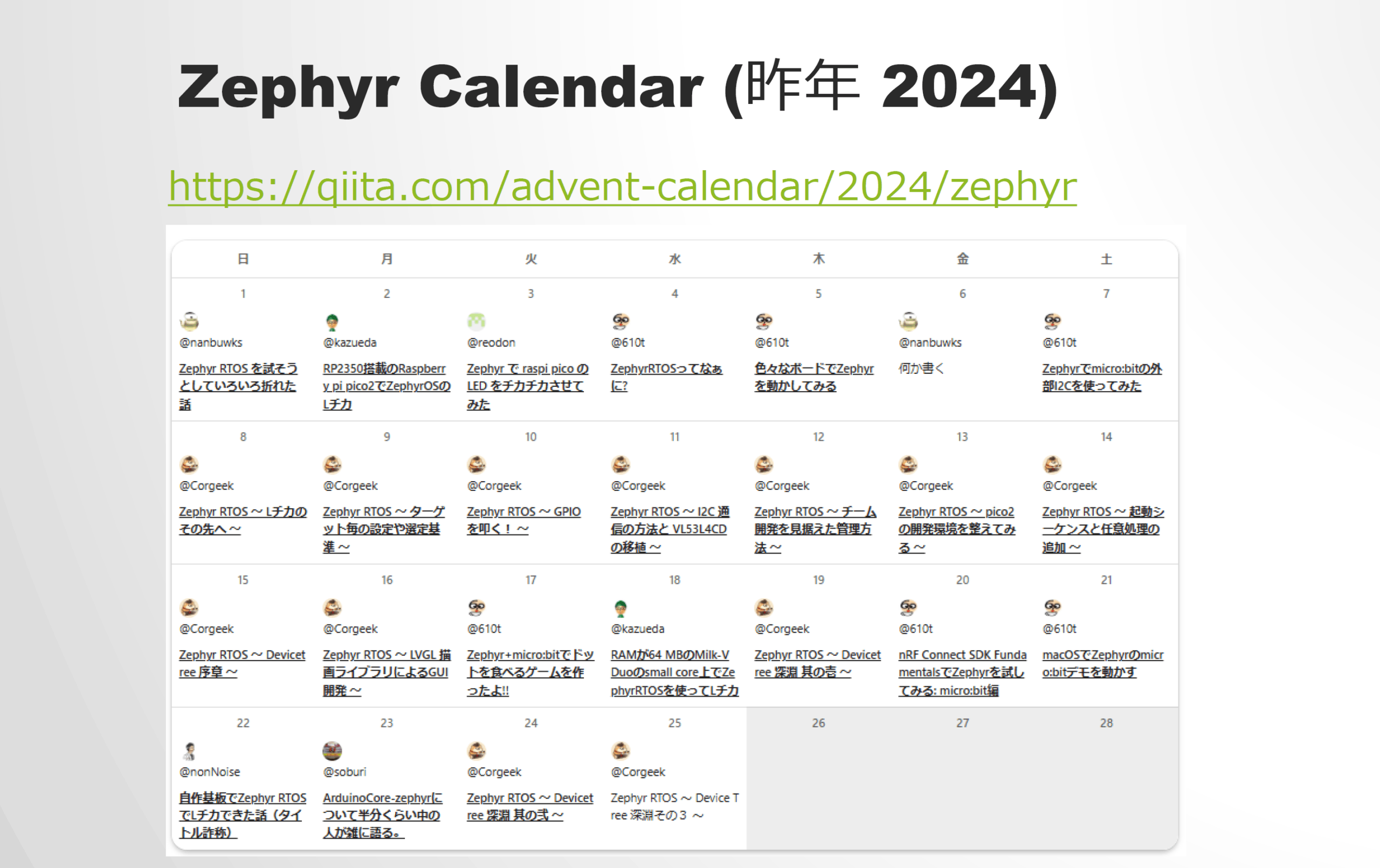
A year-end tradition: The Qiita Advent Calendar? Let’s all post Zephyr articles together – Junichi Hirata
This talk introduced the Qiita Advent Calendar, a year-end blogging tradition in the Japanese tech community, and invited participants to help keep the Zephyr calendar active by writing posts in December. The speaker showed last year’s Zephyr Qiita Advent Calendar and encouraged everyone to write even simple “got the evaluation board running” style articles, since those still become useful data points for other users.
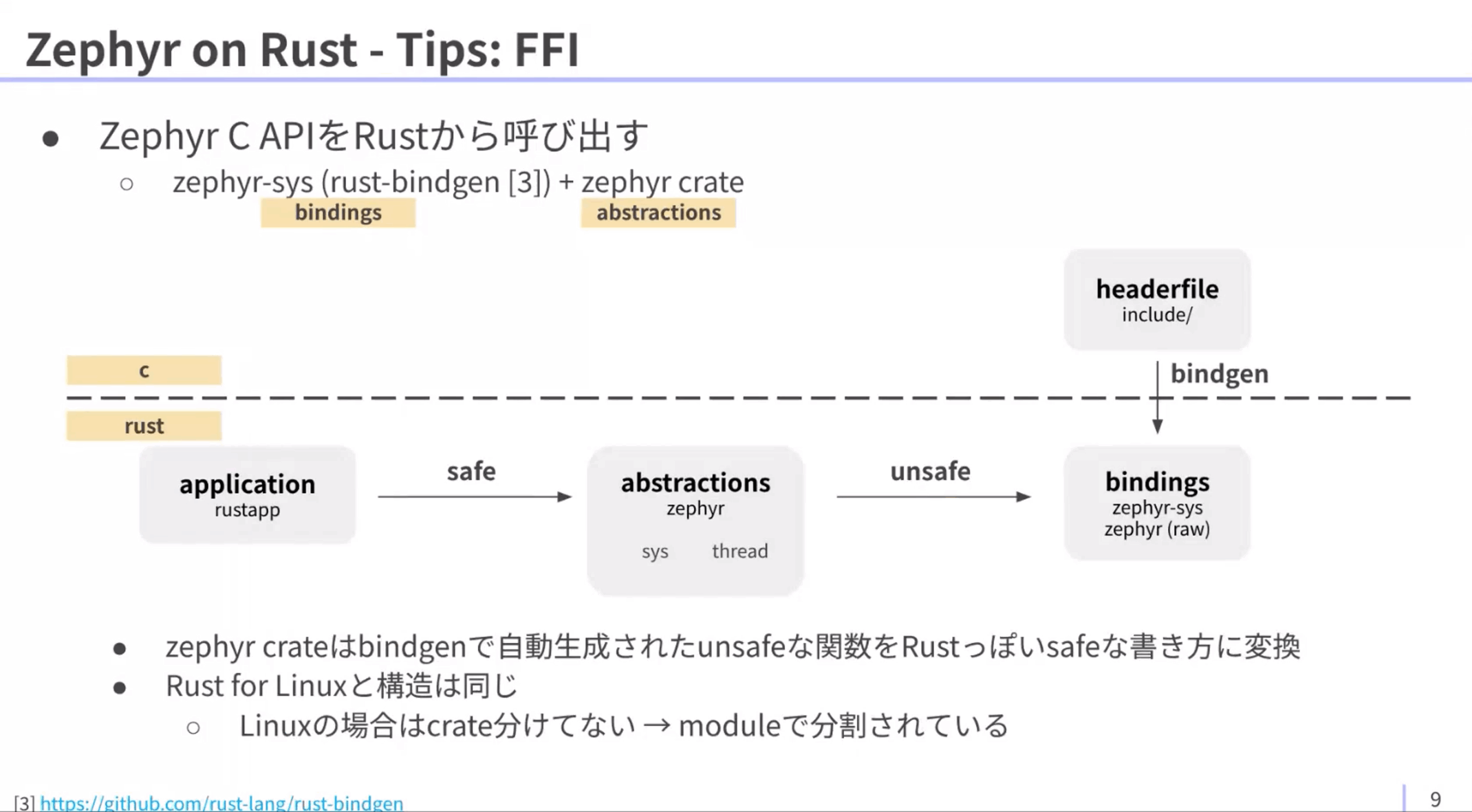
Rust on Zephyr – Kenta Tamura
An introduction to using Rust on Zephyr, along with practical know-how from running it on SpaceCubics’ space-grade board, SC-OBC Module A1. The talk compared Rust support in Zephyr (Kconfig and DeviceTree) with how Rust is integrated on Linux, highlighting similarities and differences.
After-Party
As mentioned at the start, Honda Software Studio Osaka is in a sleek, modern business district around Osaka Station, but that is only one side of the city. After the meetup we moved to an area that showed the more casual, friendly side Osaka is known for, with narrow buildings packed with small bars and izakaya. Osaka has several neighborhoods that are famous for this kind of bar-hopping culture, such as Tenma and Ura-Namba.
The after-party took place in what locals sometimes call a hashigo-zake building, a multi story building filled with tiny bars and restaurants where you can go from floor to floor and try several places in one night. Hashigo-zake literally means “drink ladder” and is the Japanese term for bar hopping.
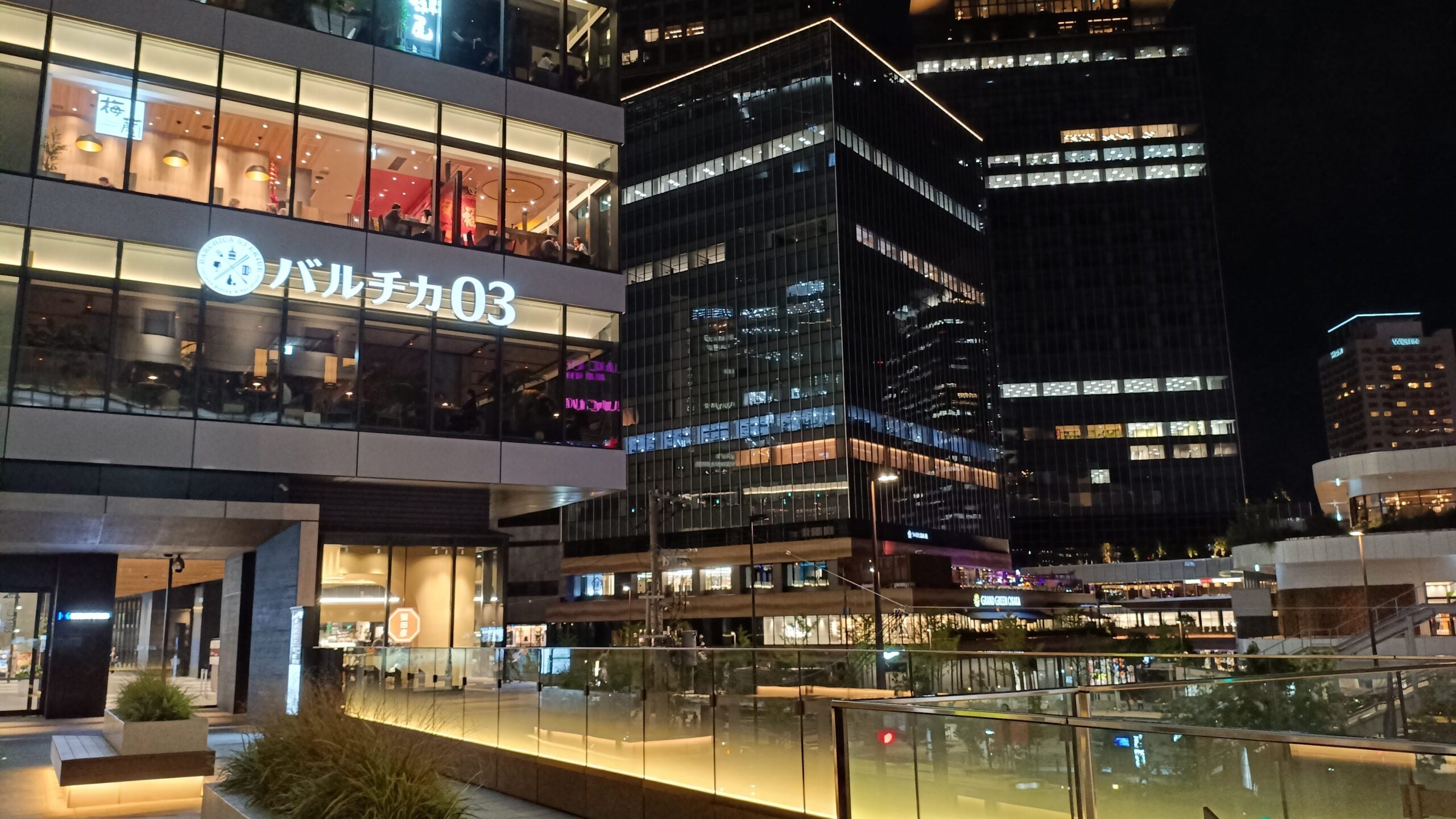
At first glance, it appears to be a modern building, but inside, it is filled with numerous casual bars catering to enthusiastic “drinkers”.
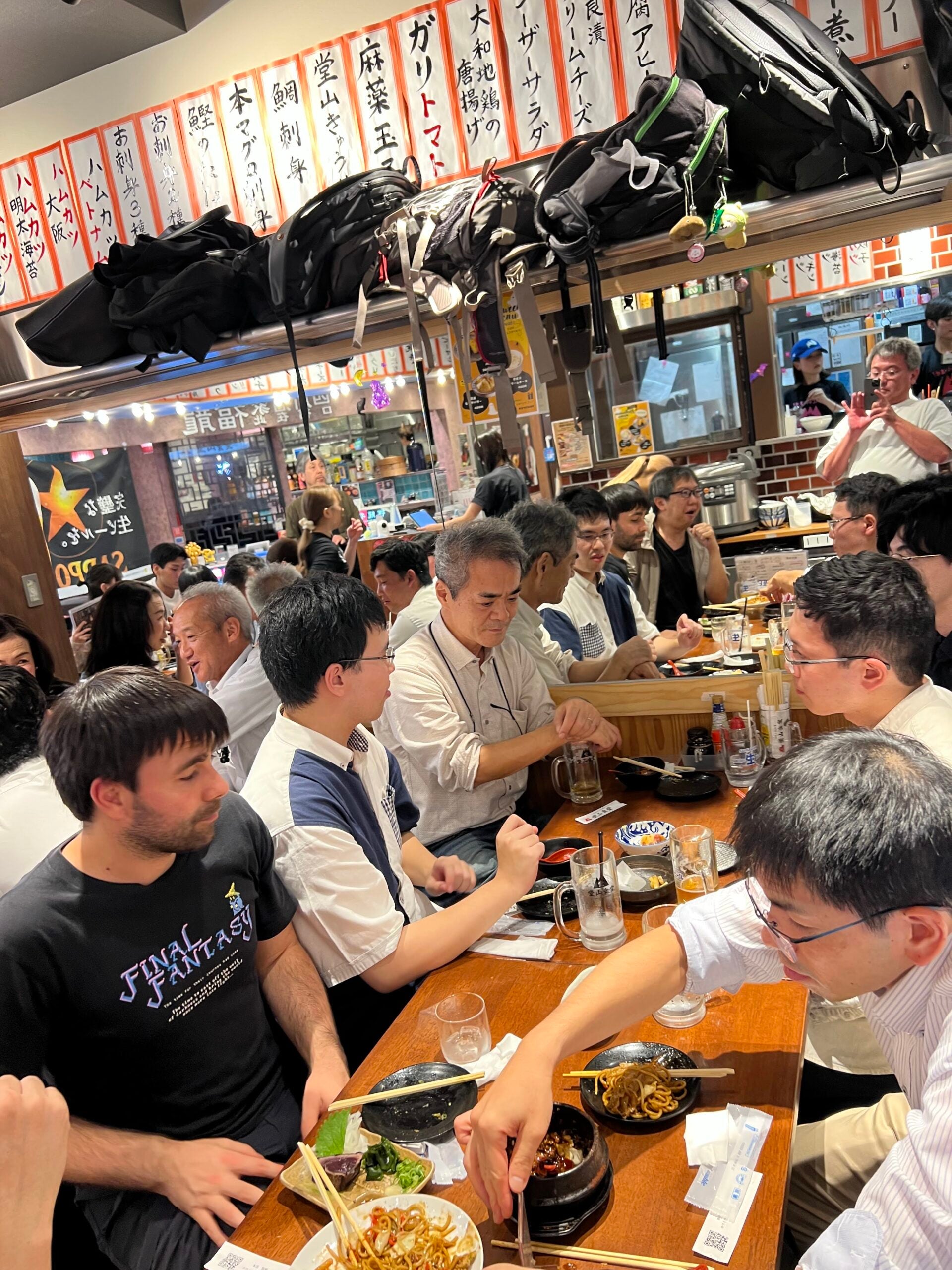
Photos from the party show people talking in small groups and then drifting off in different directions after the official end time. Judging from how many participants headed to “one more place,” it seems that quite a few attendees embraced the hashigo-zake style and continued exploring Osaka’s nightlife after the meetup.
Next Meetup in Japan: Toyosu, Tokyo — Dec 8 (Next Monday)
The next Zephyr Project meetup in Japan will be held in Toyosu on December 8, 2025, the first day of Open Source Summit Japan. Although the date is approaching, we encourage anyone planning to attend OSSJ to consider attending.
Lear more: https://www.zephyrproject.org/event/zephyr-project-meetup-toyosu-tokyo-japan/
Registration: https://docs.google.com/forms/d/e/1FAIpQLSep5m9H_E2s7Y7ugPf_PY_0kzpQeekeUVx76WRcJcNc6ztZew/viewform?usp=header